Counterfeits and fake documents
Receipts, cards, packaging and serial information can also be fabricated.
Authentication
A consistent inspection looks at authenticity, condition, repairs and the accessories that came with the bag. Not just a serial number or a receipt.
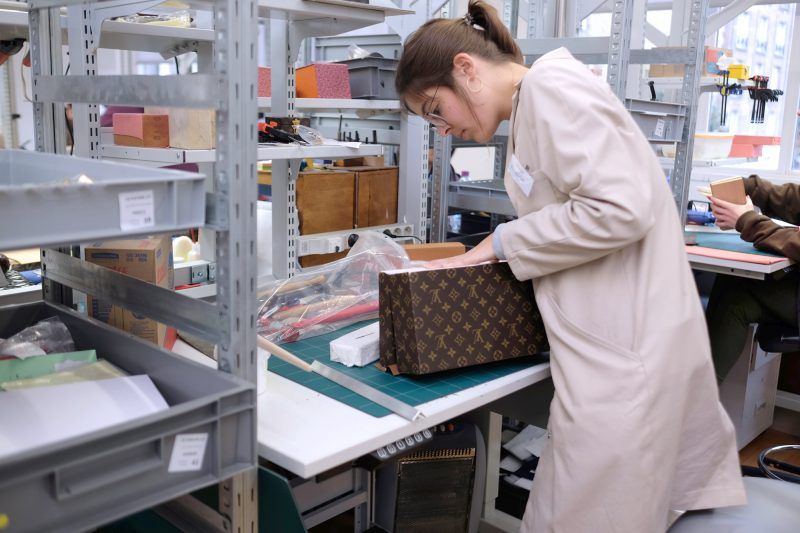
Every bag gets looked at like it's guilty until proven real.
The decision rule
Two authenticators sign separately. If they disagree, the bag fails. We'd rather lose the sale than send you something we're only pretty sure about.
The process
Record the piece, seller-provided inclusions and visible condition before deeper inspection begins.
Compare materials, stitching, edge finishing, hardware, lining and construction details with reliable references.
Review stamps, codes and markings, then look for repainting, glue, replacement parts or other restoration.
Store the findings and apply the published pass-or-fail rule before the order continues.
What photos can hide
Receipts, cards, packaging and serial information can also be fabricated.
Paint, glue and replacement components may affect originality, condition and value.
Corners, interior marks, cracking and structure can be difficult to judge from selected angles.
Smoke, perfume, moisture and inaccurate lighting are not reliably represented online.
Straps, locks, keys, clochettes, dust bags and cards should match the product description.
The final record should distinguish normal wear from damage or previous repair.
The standard
Inspection quality depends on a repeatable checklist, reliable references and a record of what was examined. Team biographies and credentials can be added when they are documented.
The process should explain what evidence is reviewed, how uncertain findings are handled and what record accompanies the final decision.
Product details, store policies and the authentication process should agree with one another.